Modern football is a game decided on fine margins. In an era where sides fight for every tenth of a second, and every drop-off in performance can cost precious points, how clubs manage recovery after tough matches has become a science—and sometimes an art. This is especially true after late fixtures, where games kick off in the evening and don’t finish until well past regular bedtimes, often involving late travel. So, the key question: do clubs change training schedules after late-night games, and if so, how?
Why Late Fixtures Pose a Challenge
Late fixtures—often https://casinocrowd.com/is-medical-cannabis-allowed-for-athletes-in-the-uk-a-deep-dive-into-sports-rules-and-recovery/ scheduled for TV audiences or European nights—mean matches kick off late in the evening, typically around 8pm or later. These games usually finish around 10pm to 10:30pm, followed by post-match duties like interviews, medical assessments, and travel back to hotels or home bases. For players, that means going to bed hours later than usual, disrupting their normal circadian rhythms.
The Impact of Sleep Disruption
Sleep is one of the cornerstones of recovery. It’s when muscle repair happens, inflammation is managed, and cognitive function—the ability to make split-second decisions on pitch—is refreshed. After late fixtures, many players might only get 4 to 5 hours of quality sleep, instead of the ideal 7 to 9 hours. This chronic sleep disruption can impair:
- Physical recovery: muscle fatigue and soreness linger longer Cognitive sharpness: slower reaction times and decision-making Immune function: greater susceptibility to illness
Because of this, clubs need to think carefully about next-day training sessions.
Fixture Congestion and Travel Add Complexity
Late games often come as best rehab exercises football part of fixture congestion—when teams play two matches in less than a week, sometimes two in five days or less. Additionally, if the fixture involves continental travel (say a Thursday night Europa League game in Spain and then a Premier League match on Sunday), players not only face late finishes but also long trips with changing time zones.
Fixture congestion combined with travel makes rigid, “one-size-fits-all” training plans unworkable.
How Fixture Congestion Influences Training Schedules
Reduced volume: Teams lower overall training intensity or duration after late fixtures to avoid overloading fatigued players, prioritising fresh legs for upcoming matches. Modified content: Instead of intense physical sessions, coaches may opt for tactical reviews, set-piece practice, or light technical drills. Individualisation: Not all players experience the same fatigue; starters may receive personalised recovery work while squad or bench players engage differently.Personalised Recovery Plans Backed by Data Analysis
Gone are the days when “train hard, rest hard” was the default approach. Today’s clubs use data as their compass to navigate recovery. Technologies like GPS trackers measure players’ sprint data, total distance covered, and number of accelerations during games. This gives performance and medical staff insights into each player’s workload.
What Sprint Data Tells Us
Sprint data is particularly telling because short bursts of very high intensity are extremely taxing on muscles and neuromuscular systems. A player who hit a higher number of sprints or maximal runs during a late-night game may need a different recovery protocol than someone with less load.
- Players with heavy sprint loads may benefit from low-impact recovery sessions, such as swimming or cycling, the day after a late fixture. Data analysis helps identify players at risk of overuse injuries by monitoring sudden spikes in sprint volume or fatigue markers.
Training Adjustments Based on Data
Performance analysts provide coaching staff with data reports post-match. These include sprint volumes, distance covered, heart rate recovery, and more. Training schedules are then altered in these ways:
Aspect Normal Training Day Altered Schedule After Late Fixture Timing of Training Morning or early afternoon, 60-90 minutes Later start to allow for extra sleep; sessions shortened Session Intensity High-intensity drills & tactical work Low-intensity recovery, light technical or video analysis Player Groups Whole squad involved similarly Personalised recovery for starters; maintenance for squad players Use of Data Routine monitoring Real-time monitoring for fatigue markers; altered loads based on sprint and GPS dataPractical Examples: What We Know From Inside Clubs
From conversations off the record with club performance staff and what we’ve seen reported in elite teams, here’s how some handle late fixtures:
- Delayed and shortened training: Instead of the usual morning gym and pitch session the day after a late game, players arrive later for a 30-45 minutes light recovery circuit. Active recovery sessions: Pool work, cycling, or light jogging replace running drills, especially for players with high sprint exposure. Sleep protocols: Clubs educate players on sleep hygiene, aiming for naps post-game, blackout curtains in hotels, and melatonin supplements under guidance. Individual physiotherapy plans: Including compression therapy, cryotherapy, and manual therapies personalised to match load data.
What This Means for Saturday Selection
Translating all this science into selection boils down to one practical point: managing freshness. Coaches are aware that players who began a late fixture exhausted and experienced sleep loss overnight are at increased injury risk or tactical failure if pushed too hard the following days.
Therefore:
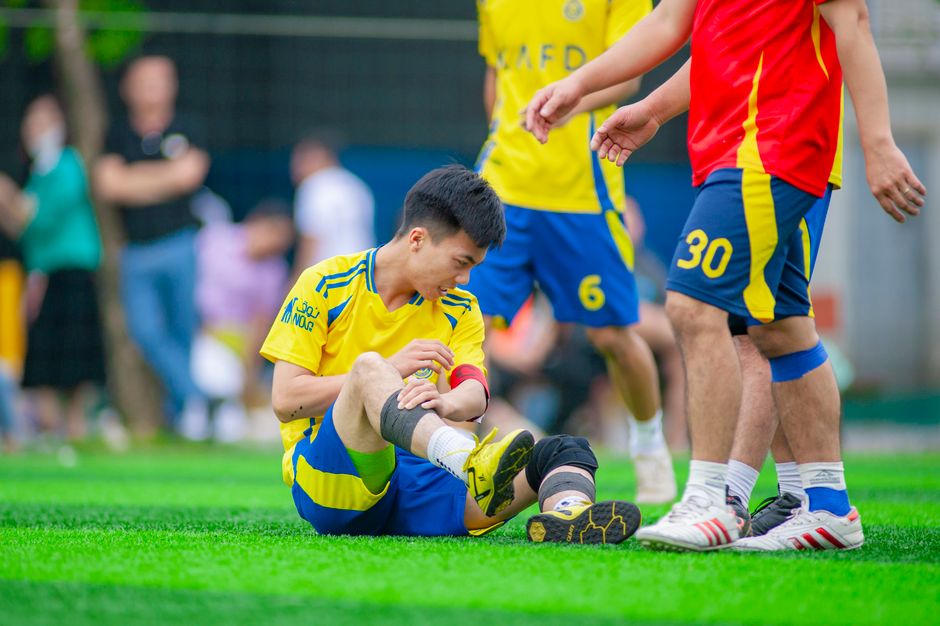
- Altered training schedules help reduce cumulative fatigue, especially for key players who have a big match the next weekend. Performance data guides load management. Players flagged as heavily stressed by sprint data may be eased off in midweek sessions to ensure they peak on matchday. Sleep recovery remains a top priority. Coaching staff know that proper rest offsets some of the wear and tear.
Conclusion
Do clubs change training after late fixtures? Unequivocally, yes. The combination of late finishes, sleep loss, fixture congestion, and travel demands forces teams to tailor their approach. Thanks to precise data analysis, including sprint metrics, training schedules are no longer arbitrary but finely tuned to each player’s needs.
This careful management of altered training schedules, combined with sleep optimisation and personalised recovery, can make the difference between players arriving at their next game fresh or worn down—and in modern football, that margin can decide titles and relegations alike.
For fans and aspiring sports scientists alike, it’s a reminder: the beautiful game is not just about 90 minutes on a pitch, but the 23 hours surrounding it.